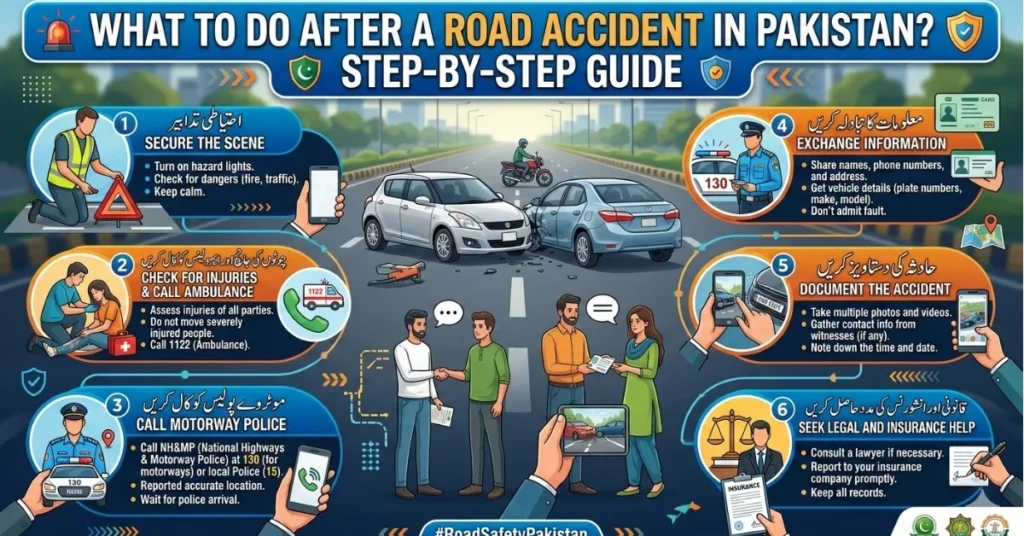
Have you ever wondered what you should do immediately after a road accident in Pakistan? In those stressful moments, it’s easy to panic or make decisions that could worsen the situation. Whether it’s a minor collision or a serious crash, knowing the right steps can protect your safety, your legal rights, and your vehicle.
This step-by-step guide will walk you through exactly what to do after a road accident in Pakistan, helping you stay calm, act smart, and handle the situation responsibly.
Why It’s Important to Act Correctly After an Accident
Road accidents are unfortunately common across Pakistan, especially in busy cities and on highways. Acting quickly and correctly can:
- Prevent further injuries
- Avoid legal complications
- Help with insurance claims
- Ensure your vehicle is handled safely
Let’s break down the steps you should follow.
Step 1: Stay Calm and Ensure Safety
Your first priority should always be safety.
What to do immediately:
- Stay calm and avoid panic
- Turn on your hazard lights
- Move your vehicle to the side of the road (if possible)
- Check yourself and others for injuries
If the accident is severe, do not move injured persons unnecessarily.
Step 2: Call Emergency Services
If there are injuries or serious damage, call emergency services right away.
Important helplines in Pakistan:
- Rescue 1122 (for medical emergencies)
- Motorway Police Helpline (130)
- Local police station
Quick response can save lives, especially in critical situations.
Step 3: Check for Injuries
Carefully assess if anyone is injured.
- Provide basic first aid if you can
- Avoid moving seriously injured individuals
- Wait for medical professionals
Even if injuries seem minor, it’s always safer to seek medical attention.
Step 4: Document the Accident Scene
Proper documentation is crucial for insurance and legal purposes.
Collect the following information:
- Photos of vehicle damage
- Road conditions and surroundings
- Vehicle number plates
- Driver’s license and CNIC details
- Contact information of witnesses
This evidence can protect you in case of disputes.
Step 5: Inform the Police
In Pakistan, it is important to report the accident, especially if:
- There are injuries
- There is significant damage
- A dispute occurs between parties
File an FIR (First Information Report) if required. This step is essential for insurance claims and legal protection.
Step 6: Contact Your Insurance Company
If your vehicle is insured, inform your insurance provider as soon as possible.
Provide:
- Accident details
- Photos and evidence
- FIR copy (if applicable)
Timely reporting ensures a smoother claims process.
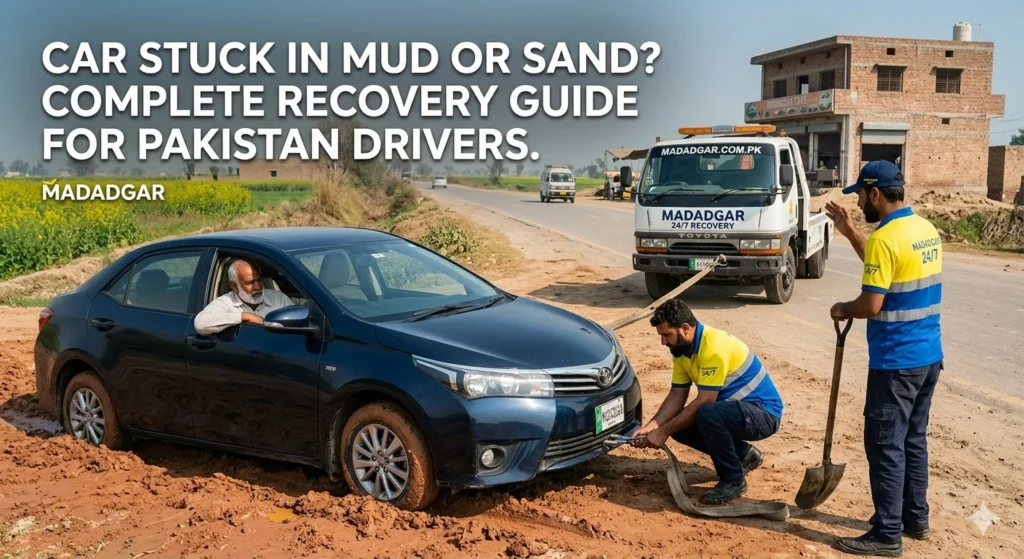
Step 7: Arrange a Tow Truck Service
If your vehicle is damaged and cannot be driven, avoid forcing it to move.
When to call a tow truck:
- Engine damage
- Broken suspension
- Fluid leaks
- Severe accident damage
A professional car recovery service will safely transport your vehicle to a workshop without causing further damage.
Step 8: Avoid Arguments and Stay Professional
Accidents can be emotional, but staying calm is important.
- Do not argue or fight with the other party
- Avoid admitting fault on the spot
- Let authorities handle the situation
Maintaining a respectful attitude can prevent unnecessary complications.
Step 9: Follow Legal Procedures
Depending on the severity of the accident, legal steps may include:
- Filing an FIR
- Attending police investigations
- Providing statements
Always cooperate with authorities and provide accurate information.
Step 10: Get Your Vehicle Inspected
Once your vehicle is moved to a workshop:
- Get a complete inspection done
- Identify hidden damages
- Use authorized repair services if insured
This ensures your car is safe to drive again.
Common Mistakes to Avoid After an Accident
Many drivers unknowingly make mistakes that can cause problems later.
Avoid these:
- Leaving the accident scene
- Not calling the police
- Ignoring minor injuries
- Failing to document evidence
- Driving a damaged vehicle
Being aware of these mistakes can save you from legal and financial trouble.
Conclusion
Knowing what to do after a road accident in Pakistan can make a stressful situation much more manageable. From ensuring safety and calling emergency services to documenting evidence and arranging towing, every step plays a crucial role.
Accidents are unpredictable, but your response doesn’t have to be. Stay calm, follow the correct process, and rely on professional services when needed.
Frequently Asked Questions (FAQs)
1. Is it mandatory to report every accident to the police in Pakistan?
Not always, but it is recommended, especially if there are injuries or major damages.
2. What number should I call in case of an accident?
You can call Rescue 1122 for emergencies or Motorway Police (130) on highways.
3. Can I move my car after a minor accident?
Yes, if it’s safe and doesn’t block traffic, you can move it to the side of the road.
4. When should I call a tow truck after an accident?
Call a tow truck if your vehicle is not safe to drive or has serious damage.
5. What documents should I collect after an accident?
Collect CNIC, license details, vehicle numbers, photos, and witness contacts.
Need Help After an Accident?
If your vehicle is damaged or you’re stranded on the road, don’t take risks. Visit Madadgar towing and recovery service in Pakistan for quick, safe, and professional assistance anytime you need it.