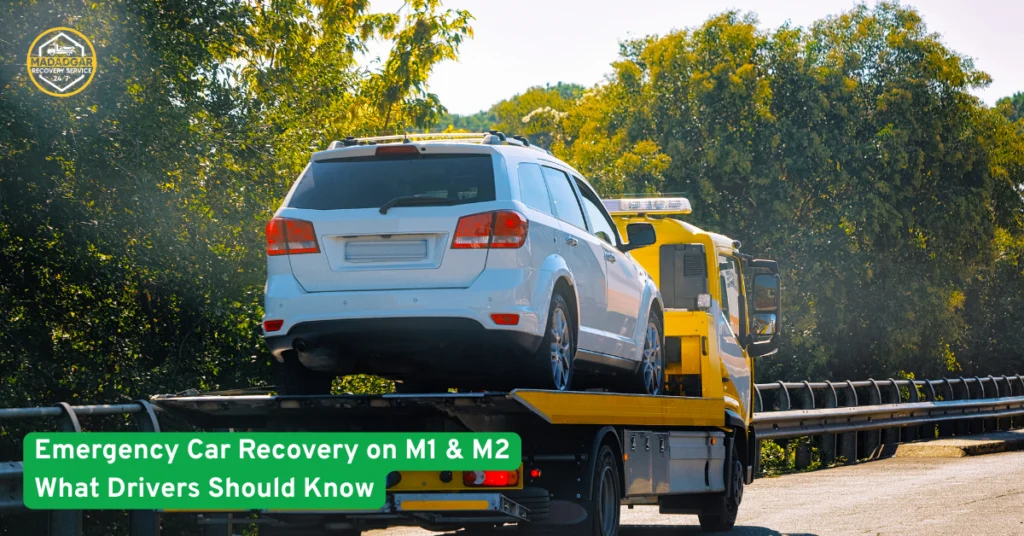
The M1 (Islamabad–Peshawar Motorway) and M2 (Lahore–Islamabad Motorway) are among Pakistan’s busiest and most important highways. These motorways connect major cities and are used daily by thousands of commuters, travelers, and commercial vehicles. While the roads are designed for smooth and safe driving, unexpected vehicle problems can still occur.
A sudden breakdown, tire burst, accident, or mechanical failure can leave drivers stranded in the middle of the motorway. Because traffic moves at high speed on these roads, even a small vehicle issue can quickly turn into a dangerous situation. This is where emergency car recovery services become essential.
Understanding how emergency recovery works and knowing what steps to take during a breakdown can help drivers stay safe and get back on the road as quickly as possible.
Why Emergency Car Recovery Is Essential on M1 & M2
Motorways like M1 and M2 are designed for high-speed travel. Vehicles often move at speeds between 100–120 km/h, which means any stopped vehicle can become a major hazard for other drivers.
When a vehicle breaks down and cannot move, professional recovery services help by safely removing the vehicle from the motorway and transporting it to a nearby workshop or city. Quick recovery prevents traffic disruptions and reduces the risk of further accidents.
Emergency recovery services typically provide:
- 24/7 towing support
- Roadside breakdown assistance
- Accident vehicle recovery
- Long-distance vehicle transport
- Safe handling of damaged or luxury vehicles
Because motorway exits can sometimes be far apart, having access to reliable recovery services ensures drivers are not stranded for long periods.
Common Reasons Vehicles Need Recovery on Motorways
There are many situations where drivers may need emergency recovery assistance on M1 or M2. Some of the most common causes include:
Engine Overheating or Mechanical Failure
Long-distance driving, especially in hot weather, can sometimes cause engines to overheat. Mechanical issues such as radiator problems, oil leaks, or transmission failure may prevent a vehicle from continuing its journey.
Tire Burst or Puncture
High-speed driving puts additional pressure on tires. If tires are old, underinflated, or damaged, they may burst while driving. A tire burst on a motorway can make it impossible to drive safely without professional help.
Battery Problems
A weak or dead battery may prevent the vehicle from starting again after stopping at a rest area or service station.
Road Accidents
Even minor accidents can cause damage to a vehicle’s suspension, steering system, or wheels. In such cases, driving further may not be safe and a tow truck may be required.
Fuel Shortage
Sometimes drivers miscalculate fuel levels and run out of fuel before reaching the next service area. This can leave vehicles stranded in emergency lanes.
What Drivers Should Do During a Motorway Breakdown
If your vehicle breaks down on the motorway, it is important to remain calm and follow proper safety procedures.
Move to the Emergency Lane
If the vehicle is still moving, carefully steer it toward the emergency lane or shoulder of the motorway. Avoid stopping in the middle of the road unless absolutely necessary.
Turn On Hazard Lights
Immediately switch on hazard lights so other drivers can clearly see that your vehicle is stopped.
Use Warning Signs
If available, place reflective warning triangles a short distance behind your vehicle to warn approaching traffic.
Stay Away from Traffic
Passengers should exit the vehicle from the side away from traffic and move to a safe location, preferably behind the motorway barrier.
Call a Recovery Service
Contact a professional car recovery company and provide clear information about your location using motorway kilometer markers or nearby exit numbers.
Advantages of Professional Car Recovery Services
Professional recovery companies provide specialized equipment and trained operators who can safely handle vehicles during emergencies.
Fast Response Time
Many recovery services operate 24 hours a day, allowing drivers to get assistance anytime, whether during the day or late at night.
Safe Vehicle Transport
Tow trucks are designed to securely lift and transport vehicles without causing additional damage.
Experienced Recovery Operators
Professional operators know how to manage vehicles involved in breakdowns or accidents and ensure safe removal from busy highways.
Support for Different Vehicle Types
Recovery services can handle various types of vehicles including:
- Small cars
- SUVs
- Motorcycles
- Luxury vehicles
- Commercial vehicles
Tips to Prevent Motorway Breakdowns
While emergencies cannot always be avoided, drivers can reduce the risk of breakdowns by properly preparing their vehicles before traveling.
Here are some useful tips:
- Check engine oil, coolant, and brake fluid levels
- Inspect tires for wear and proper pressure
- Ensure the spare tire is usable
- Test the battery and electrical system
- Fill up the fuel tank before entering long motorway stretches
- Carry emergency tools and a flashlight
Regular vehicle maintenance and inspections can greatly reduce the chances of unexpected problems during long journeys.
Why Quick Recovery Is Important
Leaving a vehicle stranded on a motorway for too long can create serious safety risks. Other drivers may not notice the vehicle in time, especially at night or during bad weather.
Quick recovery helps by:
- Reducing accident risks
- Keeping traffic flowing smoothly
- Preventing further vehicle damage
- Helping drivers reach repair facilities quickly
This is why many drivers prefer contacting professional motorway recovery services immediately after a breakdown occurs.
Conclusion
The M1 and M2 motorways provide fast and efficient travel between major cities in Pakistan, but unexpected vehicle problems can happen to anyone. Being prepared and knowing how to respond during a breakdown can make a significant difference in safety and convenience.
Drivers should always prioritize safety, move their vehicles to the emergency lane if possible, and contact reliable recovery services when needed. With proper preparation and quick assistance, motorway emergencies can be handled safely and efficiently.
Frequently Asked Questions (FAQs)
1. What should I do if my car breaks down on the M1 or M2 motorway?
First move your vehicle to the emergency lane if possible, turn on hazard lights, and contact a professional car recovery service for assistance.
2. How long does it usually take for a recovery truck to arrive?
Response time depends on the driver’s location, but most recovery services aim to reach stranded vehicles within 30 to 60 minutes.
3. Are recovery services available at night on motorways?
Yes, many professional recovery companies operate 24/7, providing assistance during both day and night.
4. Can recovery trucks tow damaged vehicles after accidents?
Yes, recovery services are equipped to safely tow vehicles involved in accidents and transport them to workshops or nearby cities.
5. How can drivers reduce the chances of motorway breakdowns?
Drivers should maintain their vehicles regularly, check tires and fluid levels before traveling, and ensure the vehicle is in good condition before entering the motorway.